Urgent care near me
 Key points
- Carve before removing the top to reduce the risk of cutting toward your hand.
- Use pumpkin carving kits with serrated tools; avoid kitchen knives for safer results.
- Keep kids away from sharp tools — let them decorate with paint, stickers, or scoops instead.
- Set up a dry, well-lit carving area to prevent slips, accidents, or tool mishandling.
- Know when to seek medical care for cuts, burns, or infections from carving injuries.
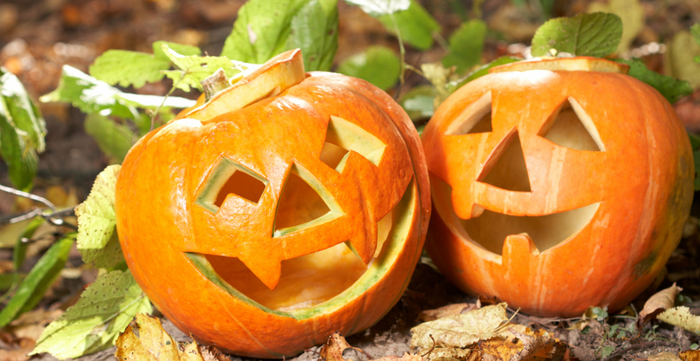
Pumpkins are on porches, Halloween costumes are coming together, and kids are buzzing with excitement — fall has officially arrived. One of the most beloved traditions of the season is carving pumpkins into spooky or silly jack-o’-lanterns. But before you reach for the sharpest knife in the kitchen, it’s important to know: pumpkin carving injuries send thousands of Americans to urgent care and emergency rooms every October.
From deep hand lacerations and wrist injuries to accidents involving children, many of these injuries are preventable with the right tools and preparation. Whether you’re a Halloween carving pro or a first-time pumpkin decorator, these essential safety tips will help ensure your jack-o’-lantern looks scary — not your trip to urgent care.
1. Carve before removing the top of the pumpkin
Most people instinctively start by cutting off the top of the pumpkin to create a lid. But hand surgeons and safety experts suggest reversing that process. According to Dr. Stuart J. Elkowitz, a hand surgeon at Somers Orthopaedic Surgery & Sports Medicine Group in New York, carving before removing the top may actually reduce the risk of serious injury.
““If you carve first, you won’t be tempted to put your hand inside and cut toward your hand,” Dr. Elkowitz told Consumer Reports.”
Here’s a safer sequence:
-
Outline your design on the outside first using a washable marker.
-
Carve the design with the pumpkin sitting intact on a flat surface.
-
Only remove the top after the carving is complete.
This reduces the urge to brace the inside of the pumpkin with your hand while cutting — a leading cause of hand injuries during carving.
2. Use pumpkin carving kits — not kitchen knives
Your chef’s knife might be great for butternut squash, but it’s not the right tool for a pumpkin face. Standard kitchen knives are long, rigid, and slippery when wet, making them more dangerous for intricate carving work.
Instead, use a pumpkin carving kit. These affordable kits, sold in nearly every grocery or craft store during the fall, typically include:
-
Small serrated saws for controlled sawing motions
-
Scoops designed for scraping seeds and pulp
-
Plastic stencils or guides for fun designs
The serrated tools are safer because they require less force, don’t wedge as easily, and reduce the risk of slipping. If you do experience a small cut while carving, rinse it under clean water, apply gentle pressure to stop the bleeding, and apply a clean bandage. For deep cuts — especially those involving the wrist, tendons, or prolonged bleeding — seek urgent medical care.
3. Never let young children handle sharp tools
Pumpkin carving should be a family activity — but that doesn’t mean every family member should hold a blade. Children, especially under age 10, should never handle carving tools, even under adult supervision. Their lack of strength and control can quickly lead to accidental injury.
Instead, give your child a safe, creative role in the process:
-
Let them draw the face or pattern on the pumpkin
-
Have them scoop the seeds using a spoon or kid-safe scraper
-
Use stickers, push-in plastic parts (like Mr. Potato Head), or non-toxic paint to decorate instead of carving
For toddlers and preschoolers, pumpkin painting is a safer and equally fun alternative that sparks imagination without the risks of sharp tools.
4. Set up a safe and stable carving workspace
Where and how you carve your pumpkin is just as important as the tools you use. To reduce accidents:
-
Choose a well-lit area (indoors or out) with ample space for movement
-
Use a non-slip cutting board or towel under the pumpkin to prevent rolling
-
Keep the area dry to avoid tool slipping — dry your hands, tools, and pumpkin surface regularly
-
Keep pets and young children away from the carving zone
Avoid carving while standing or on uneven surfaces. Sitting at a sturdy table provides better control and reduces the chances of dropping tools or slipping.
5. Prepare your pumpkin properly before carving
It’s not just the act of carving that’s risky — prepping your pumpkin matters too. Before carving:
-
Clean the exterior with warm, soapy water to remove dirt, mold, or debris that could cause slips
-
Use a dry cloth to fully dry the outside
-
If you’re removing the top, cut at an angle, so the lid doesn’t fall inside later
-
Scoop out seeds with a spoon, not your hands — especially if children are helping
Some people use ice cream scoops, metal ladles, or even hand mixers (without the motor running) to remove pulp efficiently. Just avoid tools with sharp edges or that require too much force.
6. Avoid carving alone — especially for older adults
Pumpkin carving may not seem like a high-risk activity, but older adults and individuals with arthritis, mobility issues, or vision impairments face higher risks of injury. If you or a loved one falls into this category:
-
Don’t carve alone — ask a friend or family member to help
-
Use extra lighting and magnifying glasses, if needed
-
Choose no-carve pumpkin decoration options like adhesive decals, yarn wraps, or paint
Older adults with thinner skin or decreased hand strength may struggle with gripping slippery tools, increasing the risk of deep cuts or muscle strain.
7. Dispose of tools and clean up properly
Once you’ve finished your jack-o’-lantern, don’t leave tools out where children or pets can find them. Immediately:
-
Wash and dry tools before storing
-
Discard broken or bent tools safely
-
Wipe down any wet surfaces and sweep up pumpkin pieces
Pumpkin rinds and seeds can be slippery and pose a slipping hazard if not cleaned up promptly — especially on tile or hardwood floors.
8. Watch for signs of infection after an injury
Even a small cut can become a problem if not cleaned properly. If you or someone in your household sustains a carving injury, watch for these signs of infection over the next few days:
-
Redness or swelling around the wound
-
Warmth or pus discharge
-
Fever or chills
-
Worsening pain
If any of these symptoms appear, head to an urgent care or family care physician. Many urgent care clinics can treat minor infections with antibiotics or wound care services.
9. Be mindful of flame-related risks
Once the carving is done, it’s time to light up your pumpkin — but using real candles inside a carved jack-o’-lantern can create fire hazards. Costumes, decorations, leaves, and other dry materials around your porch are all flammable.
Safer lighting alternatives include:
-
Battery-powered LED tealights
-
Glow sticks or fairy lights
-
Solar-powered garden lights
If you do use real candles:
-
Place pumpkins on a flat, non-flammable surface away from walkways
-
Never leave them unattended
-
Keep them out of reach of children and pets
10. Try creative, no-carve pumpkin decorating ideas
Want to skip the sharp tools altogether? No-carve pumpkins are growing in popularity — especially for families with small kids, apartment dwellers, or anyone short on time. Fun, safe decorating alternatives include:
-
Acrylic paints for funny faces or spooky scenes
-
Stickers or adhesive felt shapes
-
Googly eyes, yarn, and craft glue for monster looks
-
Fabric wraps or Mod Podge to create patterns
-
Chalk markers for erasable doodles
Many craft stores sell pumpkin decorating kits with safe supplies for kids and adults. These pumpkins last longer, don’t mold as quickly, and are much safer to handle.
11. Know where to go if an injury occurs
If someone is injured while carving — whether it’s a deep hand cut, tendon injury, or infection — it’s important to know your care options.
Visit an urgent care center for:
-
Cuts that won’t stop bleeding
-
Possible tendon or nerve injury (numbness, inability to move a finger)
-
Signs of infection
-
Minor burns from candles or carving tools
Visit an emergency room if:
-
Bleeding is severe or doesn’t stop after 10 minutes of pressure
-
There is visible bone or tendon
-
A child has a serious injury involving the eye, wrist, or hand
-
You feel faint or dizzy from blood loss
Many urgent care clinics offer extended evening and weekend hours during October to accommodate Halloween-related injuries.
Final thoughts
Pumpkin carving is a timeless Halloween tradition that brings creativity and family fun to the season. But with thousands of preventable injuries reported every fall, safety should come first.
By following these updated pumpkin carving safety tips — using proper tools, setting up a safe workspace, keeping kids and pets safe, and knowing what to do in case of injury — you can enjoy this festive tradition without the fright.
Remember: The scariest part of Halloween should be your jack-o’-lantern’s grin — not an urgent care visit.
FAQs
Should I carve the pumpkin before or after removing the top?
Carve the pumpkin before removing the top to prevent cutting towards your hand.
What tools should I use for pumpkin carving?
Use pumpkin carving kits which come with small serrated carving tools, as they are safer than sharp knives.
Can children carve pumpkins?
No, children should not be allowed to carve pumpkins due to the risk of severe cuts, even with supervision.
What precautions should I take while setting up a carving space?
Ensure your carving area is well-lit, dry, and free of debris to prevent accidents.
What should I do if I get cut while carving a pumpkin?
Clean the wound with water, apply pressure to stop the bleeding, and bandage it. For severe cuts, seek immediate medical attention.
How can children be involved in pumpkin carving safely?
Children can be involved by helping with the design of the pumpkin's face or decorating the pumpkin with paint or stickers. If the pumpkin is large, they can also help clean the inside with a small spoon under supervision.
How should the carving space be prepared?
The carving space should be well-lit, free of any debris, and dry. Carving on a wet countertop may cause the pumpkin to slip and fall, potentially causing injuries.
What should you do if you are injured while carving a pumpkin?
If you are injured, clean the wound and apply pressure. Seek out immediate urgent care if the injury is severe.

How we reviewed this article
Medically reviewed
View this article’s sources and history, and read more about Solv’s Content Mission Statement, editorial process, and editorial team.
History
Solv’s team of medical writers and experts review and update our articles when new information becomes available.
October 09 2021
Written by Solv Editorial Team
Medically reviewed by: Dr. Rob Rohatsch, MD
October 27 2025
Edited by Solv Editorial Team
Solv’s team of medical writers and experts review and update our articles when new information becomes available.
October 09 2021
Written by Solv Editorial Team
Medically reviewed by: Dr. Rob Rohatsch, MD
October 27 2025
Edited by Solv Editorial Team